The numbers are staggering. By the end of 2025, the world had 58,334 padel courts — nearly six times the total in 2016. Nearly 8,000 new courts and 5,000 new clubs were added in 2025 alone, a 16% year-over-year increase. Global participation now exceeds 19 million players, with some estimates as high as 35 million. The sector is valued at €2 billion, with projections reaching €6 billion.
But the story isn’t about growth anymore. It’s about who’s growing, who’s shrinking, and why.
The Market Is Splitting — Fast
The 2026 Global Padel Report, produced by Playtomic and PwC Strategy&, divides the world into five distinct market archetypes:
- “Padel heartlands” (Spain, Argentina, Portugal, Italy): Mature, consolidated markets. Growth has slowed dramatically — Spain, the world’s largest market with 17,400 courts, saw growth ease from 6.2% in 2024 to just 1.9% in 2025. Value now comes from premiumisation, maintenance, and asset optimisation.
- “Hotspots” (UK, Germany, Ireland): Rapidly growing demand with developing ecosystems. Germany has been growing at an average annual rate of 81% since 2021.
- “Post-boom adjustment” (Sweden, Chile, Finland): Markets that overbuilt and are now correcting. Sweden, once considered the Silicon Valley of European padel, is now in a “deep correction phase” — oversupply, falling utilisation, club closures. Chile saw monthly bookings fall 27% and over 80 clubs close.
- “Diamonds in the rough” (US, Brazil, Australia, India, Poland): Major potential with relatively immature infrastructure.
Three Trends Reshaping the Industry
1. Premiumisation
In mature markets, the opportunity is no longer in building more courts — it’s in building better ones. Clubs are evolving toward premium, multi-service formats with upgraded facilities, hospitality services, and enhanced on-court experiences. Players increasingly demand wellness, community, and experience — not just court time.
2. Padel as Real Estate
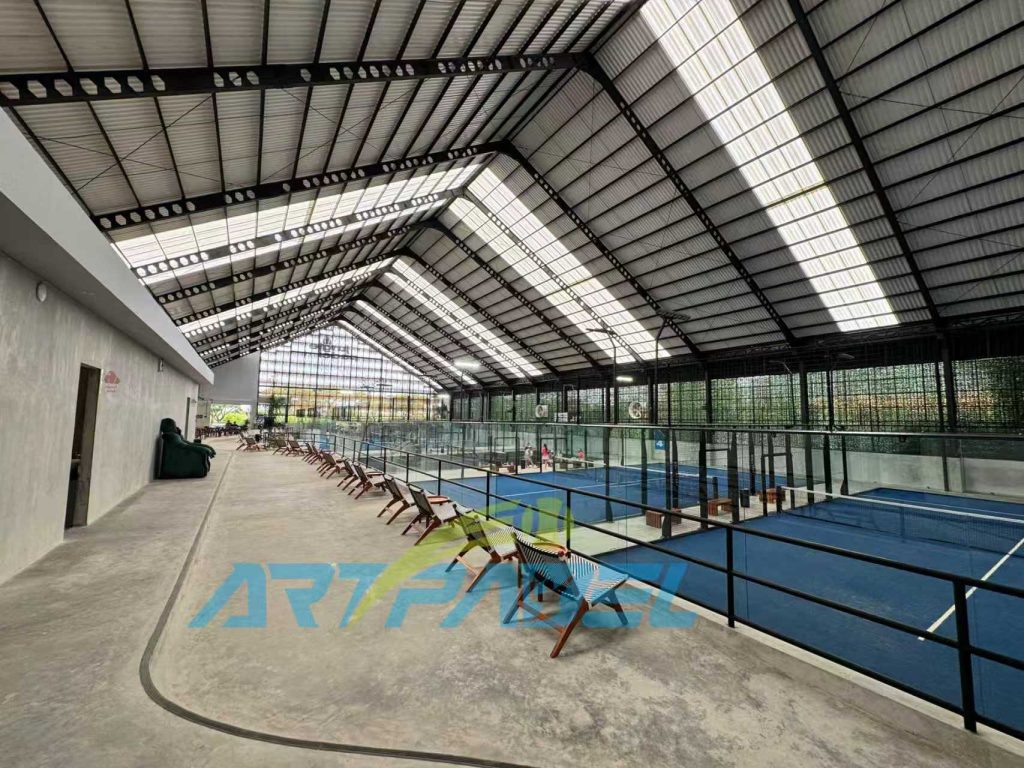
Empty warehouses, decommissioned power stations, and shopping malls are being repurposed as padel facilities. In Philadelphia, a converted power station now houses padel courts with “panoramic glass, luxe seating and the highest ceilings in the whole damn country”. In Connecticut, the nation’s first indoor padel facility opened inside a shopping mall.
Why? Well-managed clubs can achieve ~70% average occupancy, 55% gross margin, and ROI in approximately three years. Padel offers high daily occupancy and intensive space use — exactly what real estate investors want.
3. From Quantity to Quality
The global padel market is entering a more mature phase. Growth increasingly depends on execution, monetisation, and intelligent use of data. For facility owners, this means one thing: building a court that lasts matters more than ever.
What This Means for Facility Owners
In a market where the easy growth is over, quality separates the winners from the losers. Players won’t return to a court with rusted steel, scratched glass, or inconsistent bounces. Investors won’t back a facility with high maintenance costs and short lifespan.
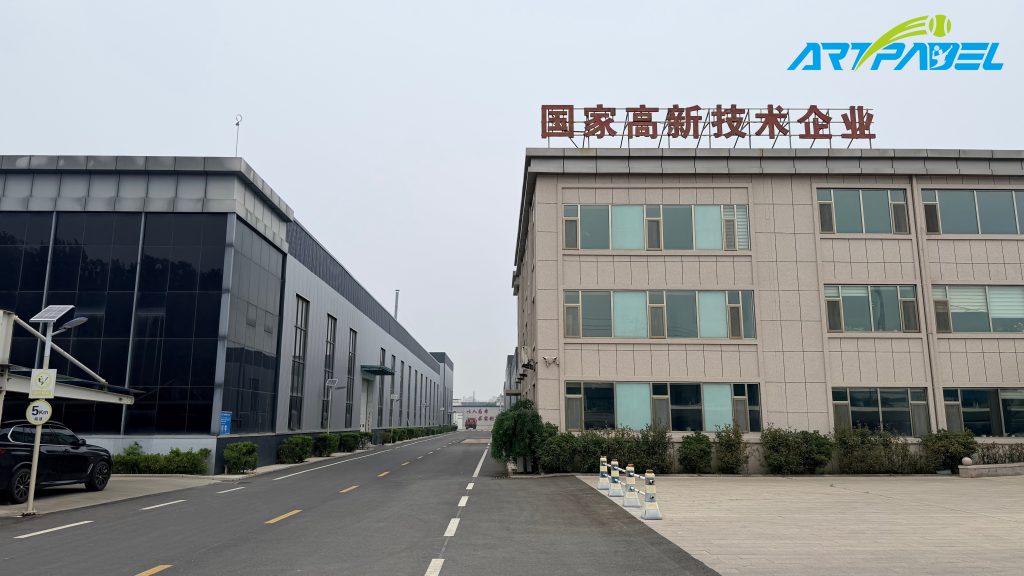
This is exactly why ART Padel exists.
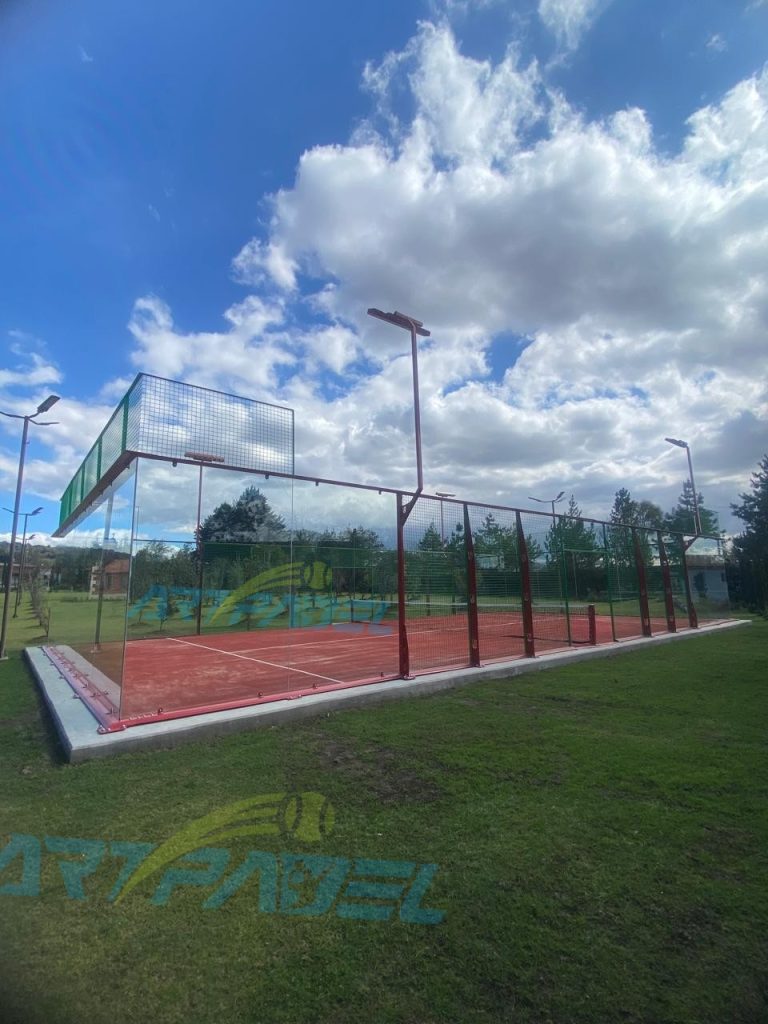
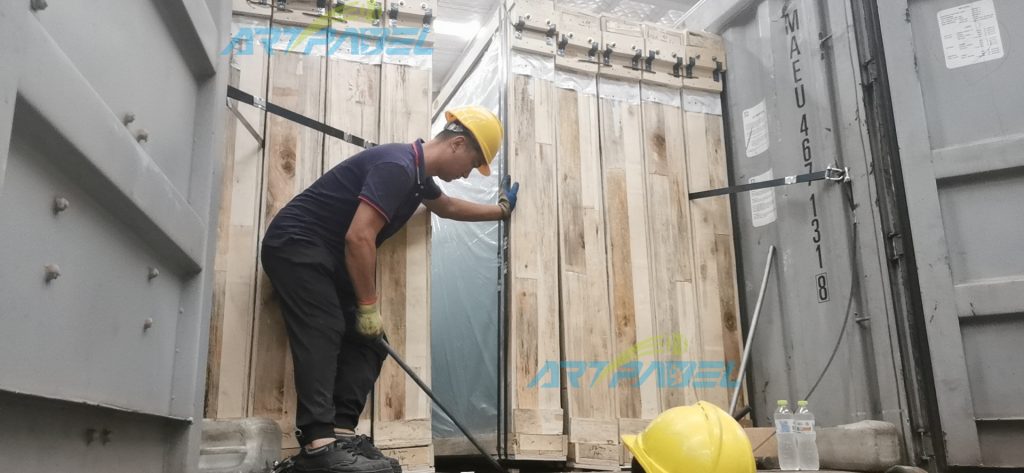
12mm CE-certified tempered glass — 10-year warranty. EN1090-1 certified steel structure — galvanized + high-temperature electrostatic spraying, 15+ years rust protection. 304 stainless steel hardware. Professional LED lighting with 5-year warranty. Interlock system that saves around 50% on sea freight.
ART Padel doesn’t build the cheapest courts. They build courts that last — because in a maturing market, longevity is the only metric that matters.
ART Padel — built for the sport’s next chapter.
Explore the range → www.artpadel.com
Get in Touch
e-mail: art03@artpadel.com
WeChat/WhatsApp: 0086-18745921701
Web:www.artpadel.com
Looking forward to cooperate with you and let you enjoy the high-quality.