Padel’s headline numbers are staggering. According to the FIP World Padel Report 2026, roughly 40 million people played the sport at least once in the past year, with 27 million playing regularly — once a week or every two weeks. But look closer, and a structural gap appears that matters more than any growth figure.

The Gap Between Playing and Competing
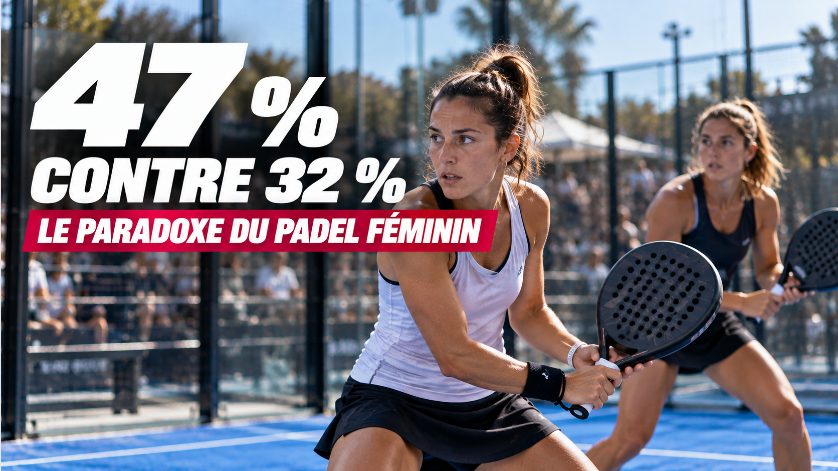
Women now represent 47% of amateur practitioners worldwide — a figure close to parity. Yet among the 1.1 million licensed players registered with national federations, only 32.2% are women. That’s a gap of nearly 15 percentage points between who plays the sport and who is formally counted within its organised structure.
This isn’t a women’s participation problem. It’s a conversion problem. Millions of people are experiencing padel casually, but only a fraction are being pulled into leagues, tournaments, academies, and club membership — the layers that turn a pastime into a durable customer relationship.
What the Best Clubs Already Know
The economic data confirms this. Across the industry, court bookings still account for about 68% of club revenue. But the clubs that outperform aren’t the ones with the most courts. They’re the ones that have built structured formats beyond casual rental: open matches, internal leagues, academies, and social events. Among top-performing clubs, 74% run social events and 72% offer structured activities — compared with the average club that relies almost entirely on hourly bookings.
The same pattern holds in real estate. Well-managed clubs can reach ~70% occupancy, 55% gross margin, and roughly a 3-year ROI — but those figures depend on diversified revenue, not just court time.

The Youth Pipeline Is Being Built — Now
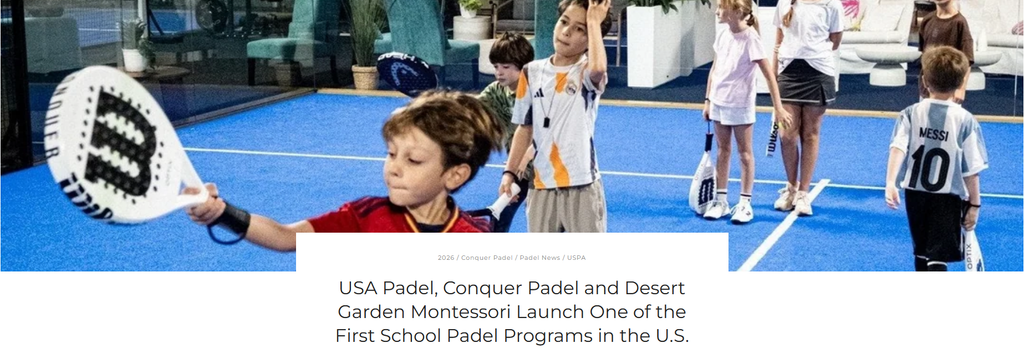
The infrastructure for depth is forming. In Italy, the number of padel schools grew from 32 to 600 in four years. In the U.S., after-school programs are now plugging students directly into USA Padel-sanctioned tournament pathways — the first generation of players who won’t have to discover padel through a parent, but through a structured route from first rally to competitive play.
What This Means for Court Infrastructure
A court built only for casual hourly rental serves one market. A court built for leagues, academies, and recurring community play serves a different, more resilient one. The difference often comes down to specification: surfaces that hold up under daily structured use, lighting that supports evening leagues, and structural certification that meets tournament requirements.
ART Padel — 12mm CE-certified tempered glass. EN1090-1 certified steel structure. Professional LED lighting. Built for courts that are used, not just booked.
Explore the range → www.artpadel.com
Get in Touch
e-mail: art03@artpadel.com
WeChat/WhatsApp: 0086-18745921701
Web:www.artpadel.com
Looking forward to cooperate with you and let you enjoy the high-quality.