For years, padel’s growth story was written in capital cities. Madrid, London, Dubai, Moscow. That’s where the courts went, where the investors looked, and where the headlines were made.
In 2026, the geography is shifting.
The Numbers Behind the Shift
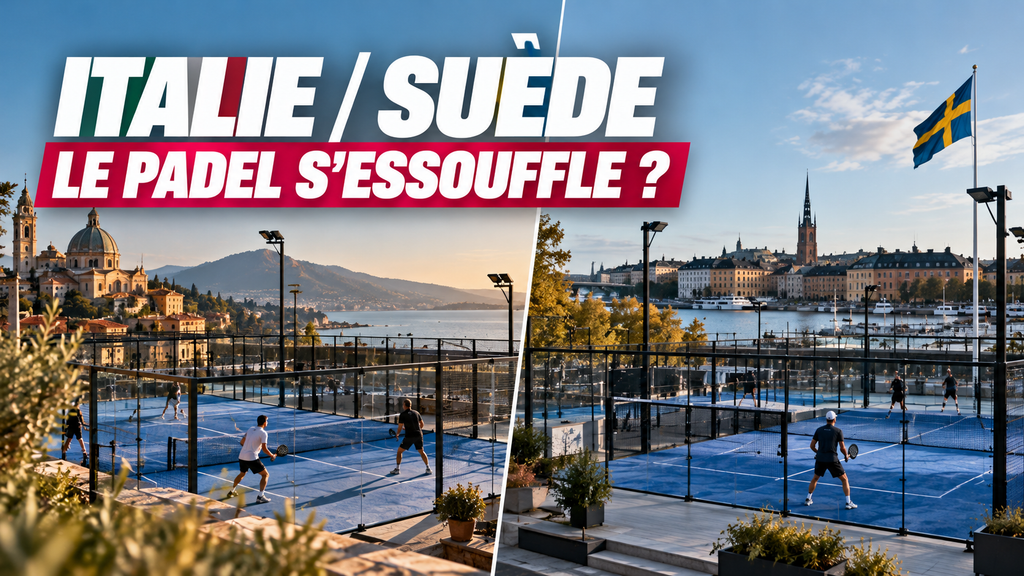
The FIP World Padel Report 2026 notes a clear trend: new courts are now being built more often in small and medium-sized towns than in large urban areas. In Italy, where overall growth has slowed to just 1.9%, the construction of new tracks has shifted geographically toward less-equipped territories. The same pattern is visible in Spain, where cities like Valladolid, Zaragoza, Burgos, and Albacete are now seeing sustained growth in independent clubs and municipal facilities—not just the traditional Mediterranean hubs.
This isn’t a retreat from the cities. It’s a maturation of the market.
Why Regional Cities Win on Economics
The financial logic is difficult to ignore. In Russia, regional cities with populations over one million—Kazan, Yekaterinburg, Novosibirsk—are showing 2–3 year payback periods on indoor padel clubs, while Moscow approaches saturation. Regional investment in padel infrastructure reached 237 million ₽ in 2025, a 3.7× increase over the cumulative total of the previous three years. In sub-million cities, growth was 8.9× year-on-year.
The reasons are structural, not temporary.
Lower CAPEX and OPEX. Warehouse space in regional cities leases at 350–600 ₽/m² versus 1,200–1,500 ₽/m² in Moscow. Staff costs run 40–50% below capital equivalents.
First-mover advantage. A new club in Kazan or Novosibirsk becomes the regional padel hub instantly. Operators can maintain high occupancy without aggressive marketing—a luxury unavailable in saturated markets where players choose between dozens of clubs.
Attractive acquisition costs and less direct competition. Secondary markets offer favorable demographics, easier entitlement, and growing populations—exactly what primary markets no longer can.
What This Means for Court Specification
A regional club is not a scaled-down version of a capital-city club. It’s a different kind of asset. Court hire still accounts for 35–45% of revenue, but the remainder comes from coaching academies, tournaments, F&B, pro shops, and sponsorship. That changes what the court needs to deliver.
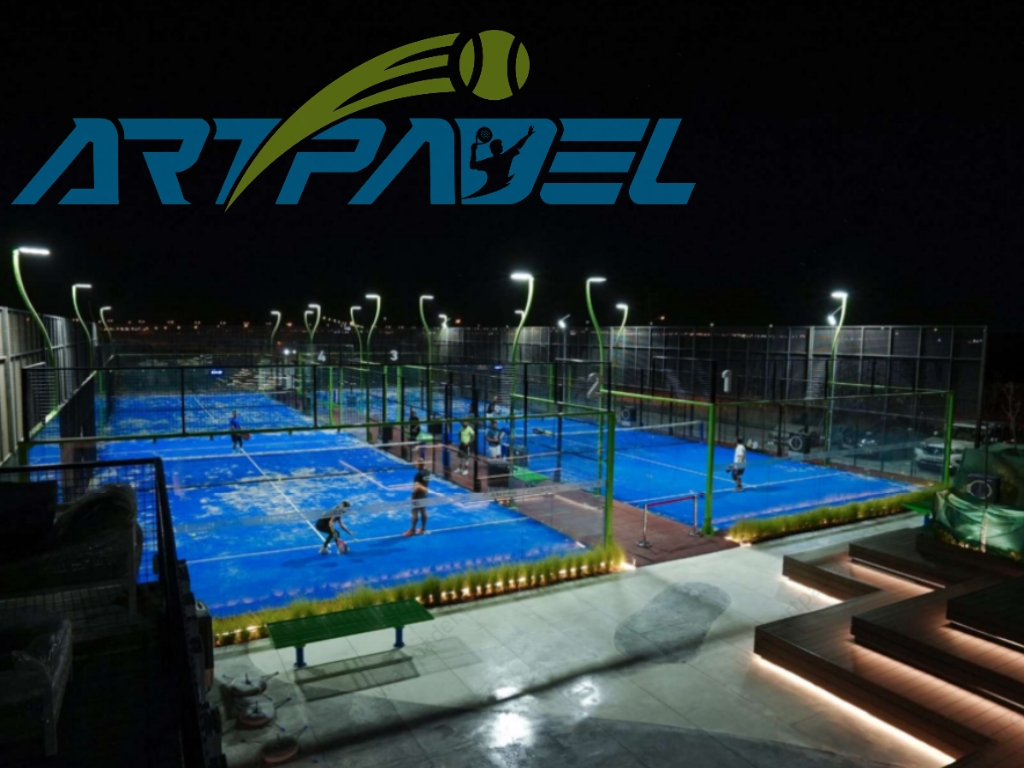
Surfaces must hold up under daily structured use—academies in the afternoon, leagues in the evening. Lighting must perform consistently for night-time play, which regional clubs rely on heavily during peak season. Structural certification matters because a single club often becomes the regional competition venue, and tournament standards eventually follow.
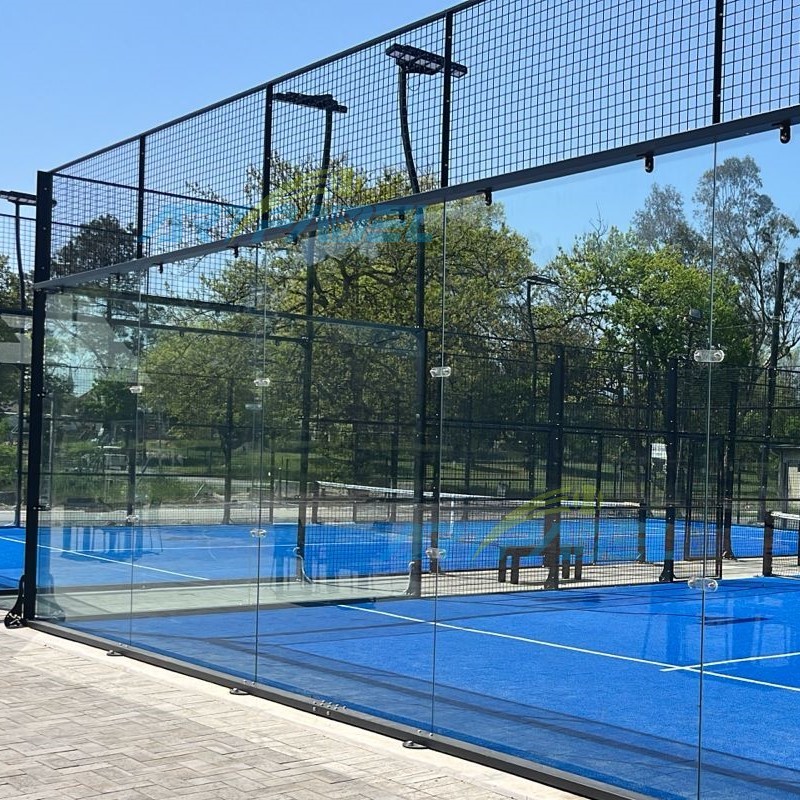
ART Padel — 12mm CE-certified tempered glass. EN1090-1 certified steel structure. 304 stainless steel hardware. Professional LED lighting. Built for the courts that are now being built.
Explore the range → www.artpadel.com
Get in Touch
e-mail: art03@artpadel.com
WeChat/WhatsApp: 0086-18745921701
Web:www.artpadel.com
Looking forward to cooperate with you and let you enjoy the high-quality.