
Padel looks simple from the outside. Four walls, a net, a solid racket. But beneath that simplicity is a sport built on precise engineering — from the court itself to the equipment in your hand.
The Court: Precision Matters
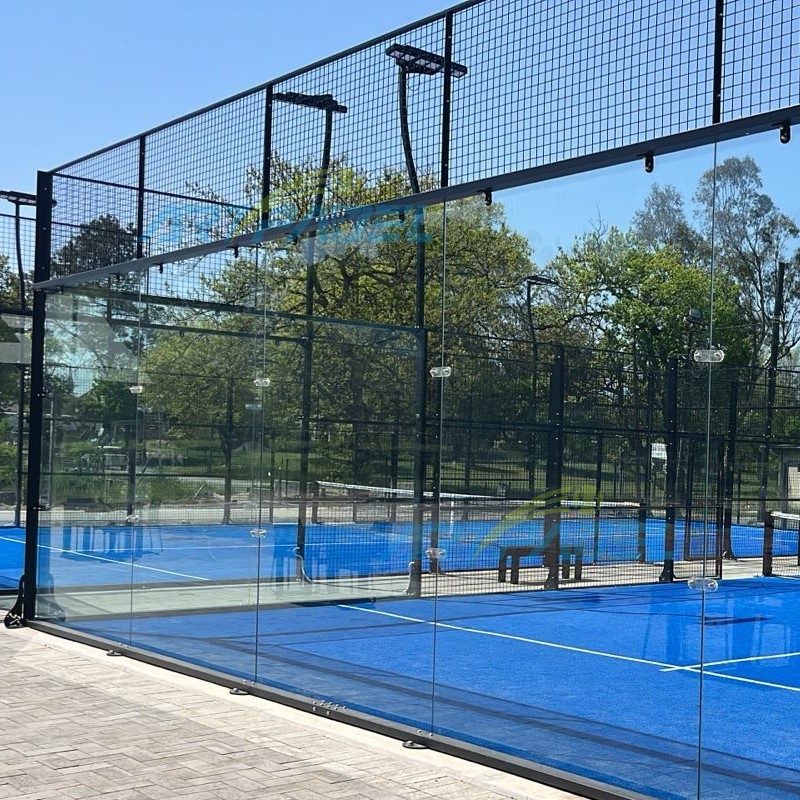
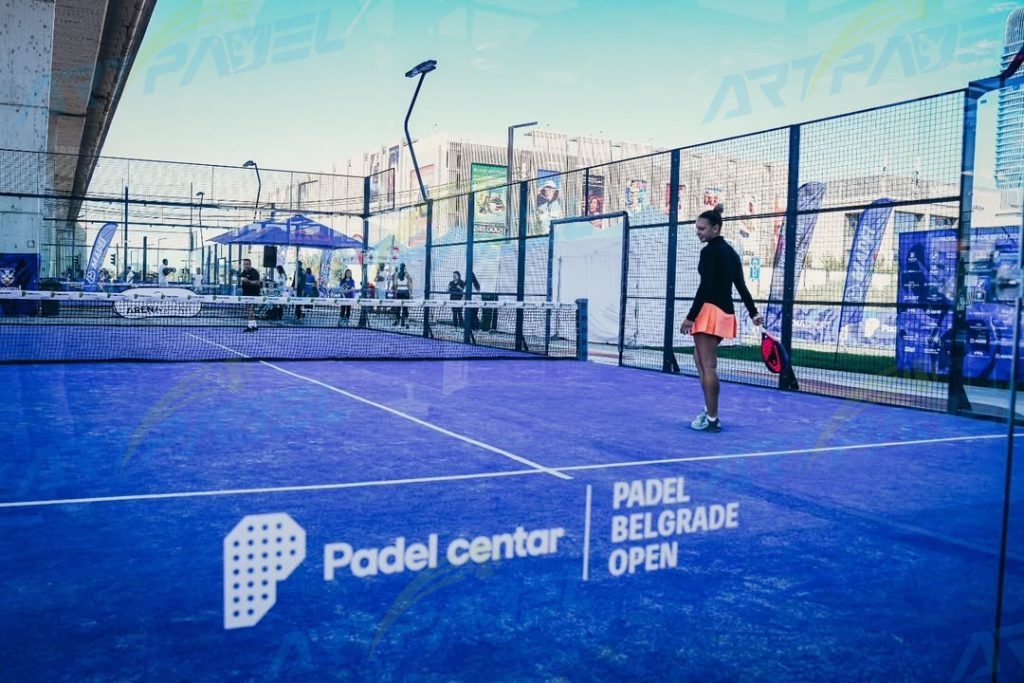
A regulation padel court measures 20 metres long and 10 metres wide, with a total playing area of 200 square metres. The net stands 88cm high at the centre and 92cm at the posts, with service lines positioned 6.95 metres from the net on each side.
The walls aren’t just barriers — they’re part of the game. Back walls rise 4 metres high, typically made of tempered safety glass. Side walls combine glass and mesh, with the first 4 metres from the back featuring 3-metre-high glass. For indoor courts, a minimum ceiling height of 6 metres is required, though 8 metres is recommended for professional play.
The sport is also getting its first global standard. ISO 25808 — the future international standard for padel courts — is currently in development, backed by 20 national bodies with a 2027 publication target. It will define requirements for structural safety, court elements, and testing methods, marking padel’s transition from fast-growing niche to mature, investable industry.
The Racket: No Strings Attached
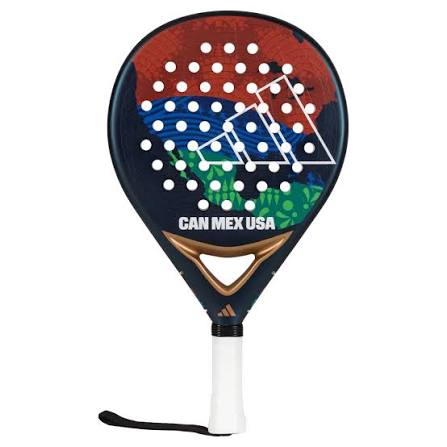
A padel racket has no strings. Instead, it’s a solid, perforated bat with a foam or EVA rubber core. The face is typically made from carbon fibre or fibreglass, with carbon fibre offering greater stiffness and power.
Modern rackets use carbon weaves measured in “K” — like 3K, 6K, 12K, or 16K. Higher K numbers mean more carbon fibres per square centimetre, delivering a firmer feel and more powerful response. The adidas Metalbone Reserve 2026, for example, uses a Carbon 16K surface with a carbon fibre frame for stability and attacking power.
Weight matters too. Entry-level rackets typically weigh 350–375g, while professional models can reach 385g. Beginners should prioritise control and comfort over power — round shapes with softer cores make learning easier.
The Ball: Lower Pressure, Better Control
Padel balls look almost identical to tennis balls — but they’re not the same.
Padel balls carry lower internal pressure, typically around 10–11 PSI, compared to tennis balls at around 14 PSI. They’re also slightly smaller, with a diameter between 6.35cm and 6.77cm, and weigh between 56g and 59.4g. When dropped from 2.54 metres onto a hard surface, a padel ball should bounce 135–145cm.
That lower pressure is what makes padel padel. It keeps rallies playable after wall rebounds, gives defenders time to react, and shifts the sport’s focus toward construction, patience, and touch rather than raw power.
Why It Matters
Padel’s growth is unprecedented — from 12 million players in 2014 to over 30 million by 2024. And it’s not just men. A 2025 report found that 40% of worldwide players are women, with the underhand serve acting as a great equaliser that removes the height and power advantage found in tennis.
As the sport matures, quality matters more than ever. Courts need to meet structural standards. Equipment needs to perform consistently. Players deserve a surface they can trust.
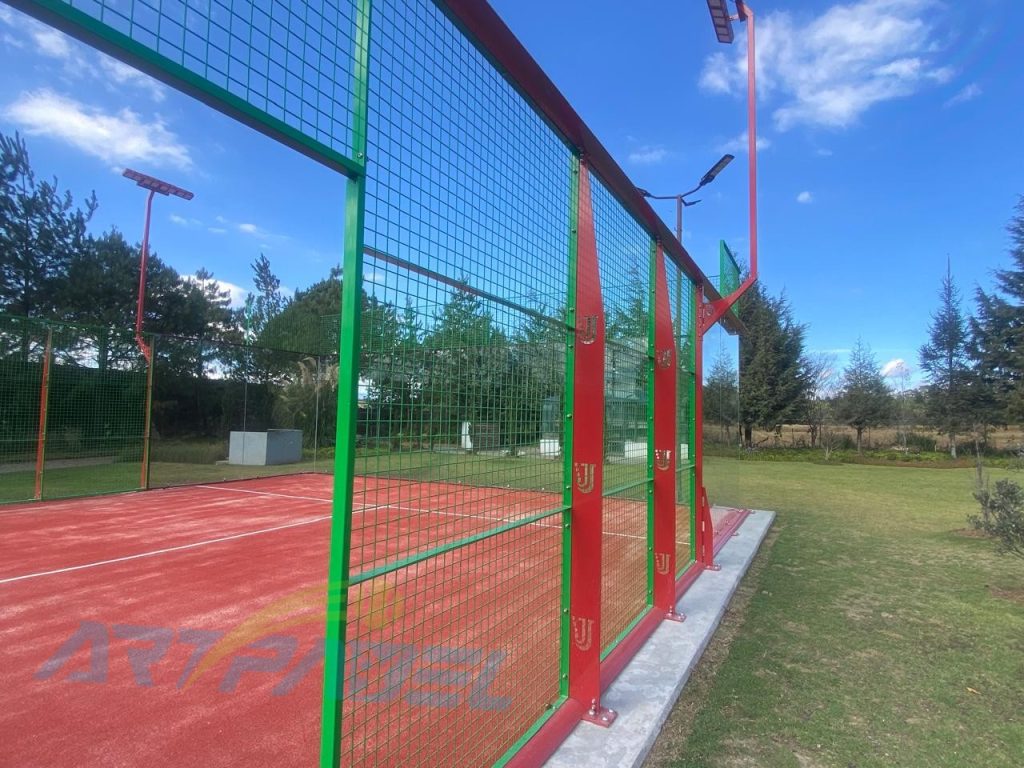
ART Padel — certified courts built for the sport’s next generation. 12mm tempered glass. EN1090-1 steel structure. 304 stainless steel hardware. Professional LED lighting.
Explore the range → www.artpadel.com
Get in Touch
e-mail: art03@artpadel.com
WeChat/WhatsApp: 0086-18745921701
Web:www.artpadel.com
Looking forward to cooperate with you and let you enjoy the high-quality.