
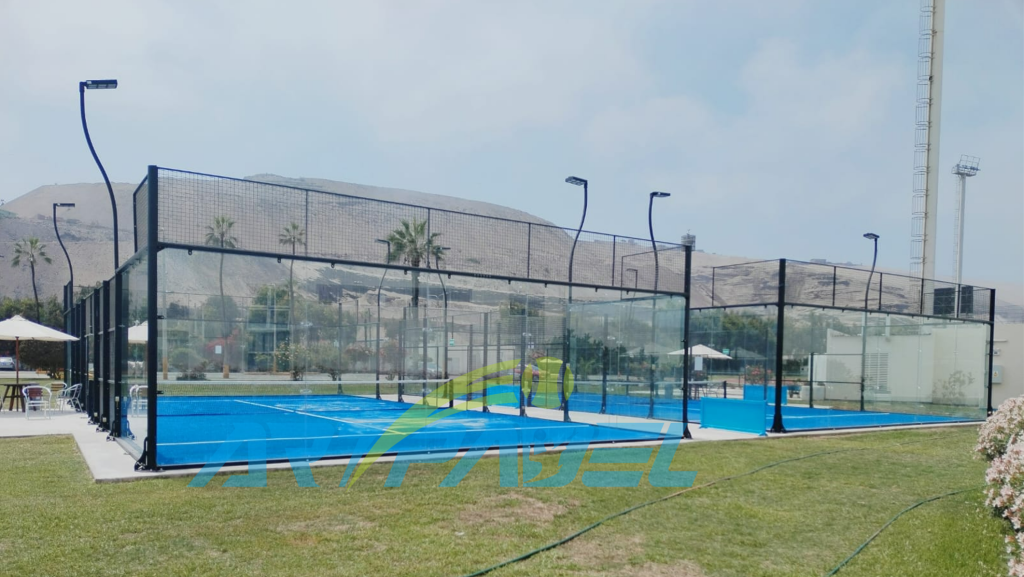
Padel is the fastest-growing racket sport on the planet — and for good reason. It’s social, easy to learn, and genuinely addictive. Here’s what you need to know.
It Started as a Backyard Game
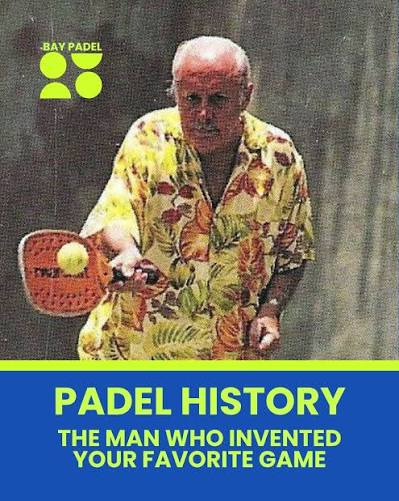
Padel was invented in 1969 in Acapulco, Mexico. A businessman named Enrique Corcuera wanted to play tennis at his holiday home, but his yard was too small. He built a 20×10 metre cement court with walls — and his wife Viviana loved it so much she reportedly told him: “No padel court, no Viviana.”
The sport spread to Spain in 1974 and Argentina a year later. The International Padel Federation was founded in 1991, and the first World Championship followed in 1992.
What It Actually Is
Think of padel as tennis and squash having a baby.
- Doubles only. Padel is played 2v2. No singles.
- Walls are in play. The glass and mesh surround the court. Once the ball bounces on your side, you can play it off the walls — just like squash.
- Underarm serve only. You drop the ball, let it bounce, and hit it below waist height. No power serving. This is why beginners rally within minutes.
- Same scoring as tennis. 15, 30, 40, game. Best of three sets.
The Court
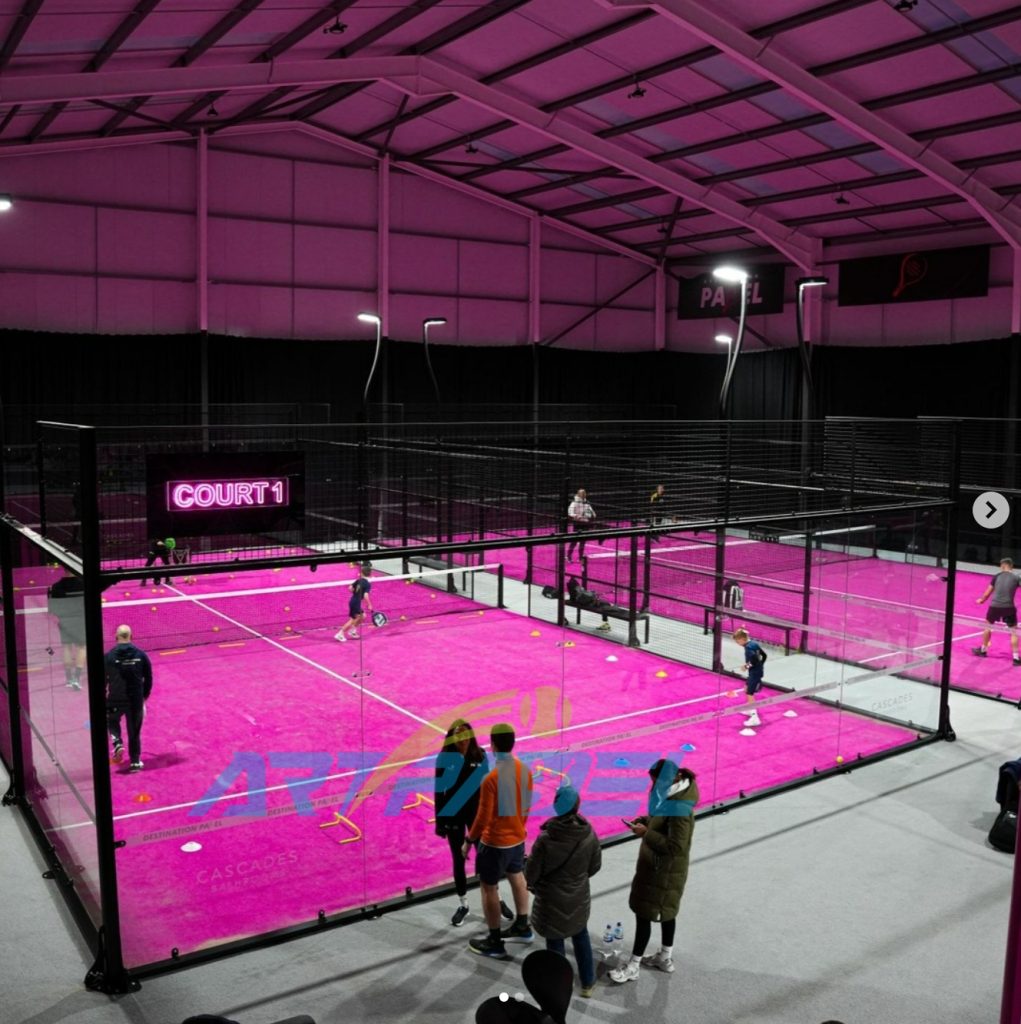
A regulation padel court is 20 metres long and 10 metres wide — about a third smaller than a tennis court. The net is 88cm high in the centre and 92cm at the posts. Back walls are 4 metres high (3 metres of glass, topped with mesh), and side walls combine glass and mesh.
The Equipment
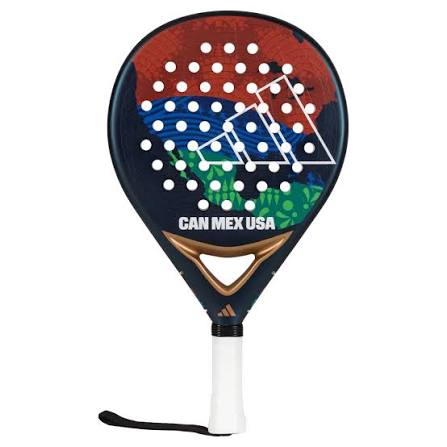
A padel racket is solid, stringless, and perforated with holes. It’s shorter than a tennis racket but has a thicker head, typically made of carbon fibre or fibreglass. Weight: 350–390 grams.
Padel balls look almost identical to tennis balls but carry about 10% less internal pressure, so they bounce lower and slower — perfect for the enclosed court.
Why It’s So Easy to Pick Up
The underarm serve removes the biggest technical barrier in tennis. The enclosed court means fewer lost balls. The doubles format makes it social from the first point. Most players feel comfortable rallying within a single session.
But don’t be fooled — at higher levels, padel is a deeply tactical game of positioning, patience, and wall play.
How to Start
Grab a padel racket, a padel ball, and a friend. Book a court, try an underarm serve, and enjoy. The learning curve is gentle, and the social aspect keeps you coming back.
ART Padel — certified courts built for the sport’s next generation.
Explore the range → www.artpadel.com
Get in Touch
e-mail: art03@artpadel.com
WeChat/WhatsApp: 0086-18745921701
Web:www.artpadel.com
Looking forward to cooperate with you and let you enjoy the high-quality.